20 Games That Improve Financial Literacy For Kids, Teens, And Adults
20 Games That Improve Financial Literacy And Money Skills
Most people learn about money the hard way through trial, error, and a few painful financial mistakes. But what if there were a way to practice those decisions safely, in a setting where every choice becomes a lesson instead of a loss? That’s exactly what financial literacy games do. They turn complex money concepts into interactive experiences that teach you how to budget, invest, and plan smarter without ever opening your wallet.
Over the years, I’ve seen just how powerful this approach can be. A few rounds of the right game can make someone rethink how they spend, save, or even talk about money. Research supports this finding as well; studies show that individuals who learn financial skills through games are significantly more likely to make better financial decisions later, ranging from paying off high-interest debt to building long-term savings.
Here are 20 games that improve financial literacyfor both children and adults. Some are designed specifically for education, while others cleverly weave money lessons into their gameplay. If you’re a teacher, parent, or adult learner, these games make mastering financial skills both enjoyable and effective. Let’s explore the best ones to start with.
1. Learning Coins (ABCya)
This is where money education starts with recognizing what those shiny pieces of metal actually mean. Learning Coins introduces kids to different coins, their values, and how to identify them. It's simple, colorful, and perfect for children who are just starting to understand that money isn't infinite.
I've seen five-year-olds light up when they finally grasp that five pennies equal one nickel. That's the foundation everything else builds on.
2. Money Bingo (ABCya)
Once kids know their coins, Money Bingo lets them practice counting and adding money while having fun. It combines math skills with money recognition, and the bingo format keeps kids engaged. The competitive element, even when playing against a computer, makes children want to get better at counting money quickly.
What starts as playful math practice can later translate into real financial awareness. The same curiosity that helps a child total coins today might one day guide them to use tools like mortgage calculatorsto compare loan options or plan a home budget. It’s a reminder that every small financial lesson can build toward smarter decision-making in adulthood.
3. Dolphin Feed
This ABCya game takes things up a notch. Kids practice making change and doing slightly more complex money math. The dolphin theme keeps it playful, but the skills being developed are genuinely useful. When children play this consistently, they start understanding that money isn't just about having it, it's about knowing how to count it and use it correctly.
4. Cash Puzzler
Cash Puzzler turns learning about bills into a puzzle game. Kids scramble pieces to form complete dollar bills while learning fun facts about the presidents on our money. It's visual learning at its best, and it helps children become familiar with paper currency in an engaging way.
5. Money Bags
This board game from Learning Resources is brilliant for slightly older elementary kids. Players collect, count, and exchange realistic-looking money to learn about coin values. The hands-on nature of physically handling game money builds confidence that transfers to real-world situations.
It’s interesting how learning through play applies across all kinds of games today. Even digital platforms like BGMI name generatorshow how creativity and decision-making come together, players design unique identities, manage resources, and develop strategic thinking, much like how money games teach planning and smart choices.
6. Money Magic

Money Magic is one of my favorites for this age group. The main character, Enzo, wants instant gratification just like most middle schoolers. Players have to guide him through tough choices between what he wants now and what he needs for later. It's the perfect introduction to delayed gratification and budgeting basics.
The game does something really clever: it shows consequences. Spend all your money on fun stuff now, and you won't have enough for necessities later. That's a lesson every teenager needs to internalize.
7. Financial Football
Visa created this gem, and it's genius. By combining financial literacy questions with football gameplay, it meets kids where they are. Answer questions correctly, and you advance down the field to score touchdowns. There's also a soccer version for kids who prefer that sport.
The questions cover real financial concepts, but the sports framework makes it feel less like studying and more like competing. Kids who normally tune out financial discussions suddenly want to learn the answers so they can win. As they grow older, those same lessons evolve into real-life financial decisions, understanding credit, saving, or even reading through tips for first-time homebuyerswhen they’re ready to take bigger financial steps.
8. Hot Shot Business
This game puts students in charge of running a business in Opportunity City. They deal with challenges and successes, learning about revenue, expenses, and profit along the way. The business simulation aspect teaches entrepreneurial thinking alongside financial skills.
9. Lights, Camera, Budget
Give a kid a $100 million budget to produce a movie, and watch their eyes light up. This game teaches budgeting through the lens of movie production. Players make spending decisions, allocate resources, and try to create a five-star movie without running out of money. It's practical budgeting disguised as Hollywood glamour.
10. Break The Bank
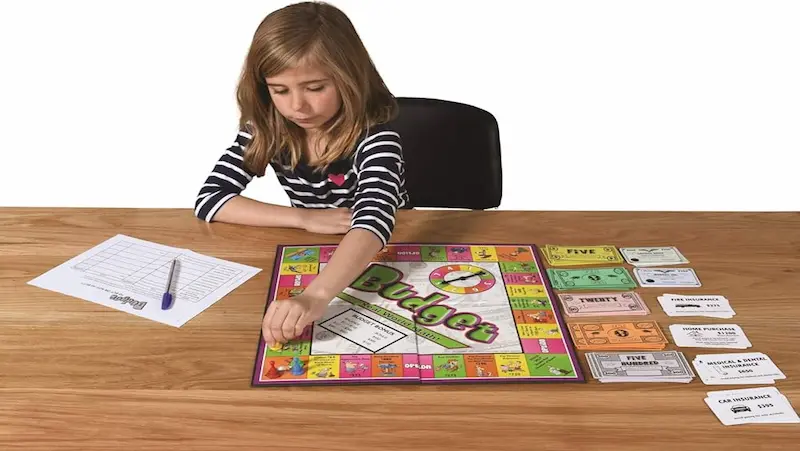
Created by Biz Kids, this game puts players in a community bank where they help customers get good loans and save for their future. The twist? You're competing against Mr. Boar and his predatory payday loan company. This teaches both banking ethics and the dangers of exploitative lending practices.
11. Payback
This is where things get real. Payback forces students to think about college choices and student loan debt before they're actually making those decisions for real. Players choose majors, career paths, and see how much debt they'll accumulate and what jobs they might actually find when they graduate.
I wish every high school senior played this before applying to colleges. The game shows that a $200,000 degree doesn't automatically lead to a $200,000 salary, and that some career paths require less debt but still lead to fulfilling, well-paying jobs.
12. Spent
This game is brutally honest. Spent challenges players to survive a month on a low income, making tough decisions that families living paycheck to paycheck face daily. Do you skip your medication to pay rent? Do you take the job with unreliable hours or keep looking? It builds empathy while teaching resource management under financial stress.
Teachers tell me this game changes student perspectives more than any lecture could.
13. STAX (Build Your STAX)

STAX compresses 20 years of investing into about 20 minutes of gameplay. Players build investment portfolios and watch them grow (or shrink) based on market conditions and their decisions. The emotional roller coaster of watching your investments fluctuate teaches students about market volatility, diversification, and long-term thinking.
One powerful lesson: index investing consistently outperforms trying to time the market. That's something many adults never learn.
14. The Payoff
This immersive game has players guide a video blogger through life's ups and downs. The interface looks like a smartphone, complete with bank balance checks and fake websites. Players manage unexpected events, make financial choices, and see how those decisions compound over time. It's like a life simulation that focuses specifically on financial consequences.
15. Hit The Road
Inspired by Oregon Trail, Hit The Road takes players on a virtual road trip across America where they must create budgets, spend responsibly, and manage debt. The familiar road trip framework makes financial decisions feel more concrete and immediate.
16. Monopoly
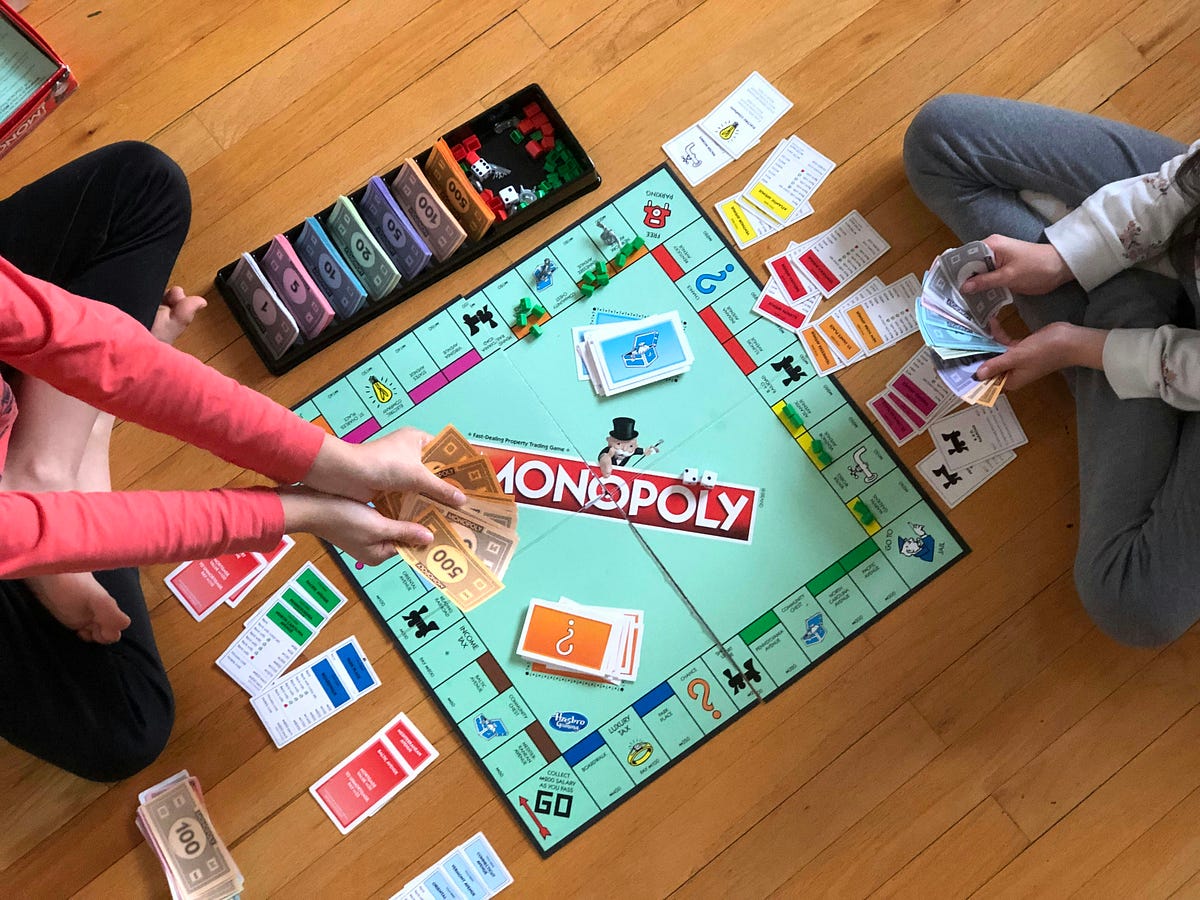
You probably played this growing up, but did you realize how much financial literacy it teaches? Monopoly covers real estate investment, rent income, property management, cash flow, and strategic resource allocation. The game demonstrates that owning income-producing assets beats relying solely on salary.
The newer Ultimate Banking edition uses bank cards instead of cash, teaching electronic payment management alongside traditional Monopoly strategy.
17. The Game Of Life
This classic has been teaching basic financial concepts for generations. Players navigate life milestones, college, career, marriage, children, and homeownership while trying to accumulate the most wealth by retirement. The updated versions include electronic banking for added realism.
What makes The Game of Life valuable is how it shows that different life choices lead to different financial outcomes. Some paths are riskier but potentially more rewarding. Others are safer but slower to build wealth.
18. Cashflow
Created by Robert Kiyosaki (author of "Rich Dad Poor Dad"), Cashflow is one of the most sophisticated financial literacy board games available. Players work to escape the "rat race" by building passive income streams through investments and smart money management. It teaches the difference between assets and liabilities, income and expenses, and how wealth actually builds over time.
I've played this with adults who had college degrees in business, and they still learned new perspectives on money management. The game is available in both board game and digital formats, with versions designed specifically for kids.
19. Payday
Launched in 1975, Payday simulates a month of financial life. Players earn a paycheck, pay bills, manage unexpected expenses, and try to save money. The calendar-based board makes the monthly budget cycle visual and understandable. It's perfect for teaching that budgeting isn't a one-time event it's an ongoing monthly cycle.
20. Settlers Of Catan

While not explicitly a financial game, Catan teaches resource management, trading, strategic planning, and opportunity cost better than many games designed specifically for financial education. Players must manage scarce resources, negotiate trades, and make investment decisions about where to build.
The skills learned here, assessing risk, managing resources, thinking several moves ahead, transfer directly to personal finance decisions.
Online Platforms And Apps - Financial Learning In The Digital Age
ZOGO
ZOGO is an app that pays you to learn. Seriously. Complete short financial literacymodules covering everything from buying a car to stock market investing, and earn gift card rewards. The modules are bite-sized, making it perfect for short attention spans, and the reward system provides immediate gratification while building long-term knowledge.
Banzai
Banzai offers age-appropriate financial courses for elementary through high school students. Teachers get free printed workbooks that align with each course, making it easy to integrate into classroom learning. Students learn to manage money and test decision-making skills through realistic scenarios.
EverFi
EverFi provides comprehensive digital courses covering budgeting, investing, and more. The platform uses videos, animations, and interactive activities to keep students engaged. What I appreciate most is how it's structured progressively elementary, middle, and high school students each get age-appropriate content that builds on previous knowledge.
How To Choose The Right Game
Age appropriateness matters more than you might think. A high schooler will be bored by coin-counting games, while an eight-year-old will be overwhelmed by investment simulators. Match the game to the learner's current level, not where you wish they were.
Consider learning style too. Some people learn best through competition (Financial Football, STAX), others through simulation (The Game of Life, Cashflow), and still others through solo challenges (Money Magic, ZOGO). Try different approaches to find what clicks.
For classroom settings, look for games that come with teacher resources and support materials. Many platforms like Banzai and EverFi specifically design their products to fit into lesson plans.

Common Mistakes To Avoid
Don't make it feel like homework. The moment financial games become mandatory drudgery, you've lost the benefit. Keep it light, fun, and voluntary when possible. The engagement has to be genuine.
Don't skip the discussion. Playing the game without processing the lessons is like going to the gym but not actually exercising. The reflection is where learning solidifies.
Don't expect instant results. Financial literacy is built over time, through repeated exposure and practice. One game session won't transform someone's financial life, but consistent practice over months absolutely will.
People Also Ask
How Do You Teach Financial Literacy In A Fun Way?
Learning Coins from ABCYa provides kids with an introduction to what each of the different coins is, how to recognize them, and what they're worth. Money Bingo, also from ABCYa, Money Bingo lets kids put their coin knowledge to use, along with some math skills, to fill a virtual bingo card.
How Much Time Should I Spend Playing These Games?
Even 30 minutes a week can make a difference. The key is reflection, think about how each in-game decision mirrors real life.
What Specific Skills Can These Games Teach?
They can teach saving, budgeting, credit management, investing, risk assessment, and long-term planning all depending on the game’s focus.
What Are The 7 Principles Of Financial Literacy?
The seven core principles of managing your money: earning, budgeting, saving and investing, debt management, understanding credit, safeguarding your financial well-being, and financial planning.
Final Thoughts
Money can be intimidating, but learning about it doesn’t have to be boring or stressful. Every one of these games offers a small, safe world where you can test decisions, make mistakes, and grow wiser without real-life risks.
I’ve seen how games can change the way people, young or old think about money. They turn abstract financial ideas into something tangible and memorable. Start with one game that appeals to you, and let it open your eyes to the lessons hidden beneath the fun.
If you enjoyed this list, share it with someone who could use a financial confidence boost. Sometimes, all it takes to change how we handle money is one good game.